
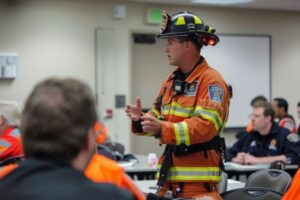
An Area Warden is integral to the preparedness for emergencies within a workplace. Entrusted with the vital task of directing staff during evacuations, overseeing emergency procedures, and ensuring adherence to safety regulations, an area warden serves as a cornerstone of an organization’s emergency management framework. However, what distinguishes a proficient warden from an ineffective one? The answer lies in their training.
Through specialized emergency training, area wardens acquire a distinct array of skills that enhance their effectiveness, responsiveness, and composure in high-pressure situations. Below, we examine the five fundamental skills that every area warden gains through professional training, enabling them to safeguard lives and property when it is most critical. You can find more details by visiting this source.
1. Emergency Communication and Coordination
Effective communication is crucial for ensuring safety. Among the initial competencies that area wardens acquire is the ability to convey precise, prompt, and composed directives in emergency situations. In instances such as fires, gas leaks, or active threats, wardens are required to:
- Utilize specified communication devices such as two-way radios, public address systems, and mobile alerts.
- Deliver clear and succinct evacuation directives.
- Inform the Chief Warden or Emergency Controller about any hazards and conduct headcounts.
- Collaborate with first responders or internal emergency response teams.
Clear and efficient communication facilitates a smooth evacuation process and mitigates the risk of panic among individuals within the building.
2. Evacuation Planning and Execution
Evacuations need to be conducted swiftly, systematically, and securely. This is the reason why area wardens undergo comprehensive training in:
- Interpreting and comprehending emergency evacuation maps
- Recognizing main and alternative exit pathways
- Guiding personnel to designated gathering locations
- Providing appropriate support for individuals with vulnerabilities, such as those with disabilities
- Conducting thorough checks of each area to confirm that everyone has evacuated safely
Wardens should be prepared to modify the evacuation strategy in response to evolving circumstances, including obstructed exits or the presence of dangerous zones.
3. Fire Safety and Hazard Identification
All area wardens receive training to identify and address fire hazards and workplace dangers. This encompasses:
- Recognizing materials that can ignite, detecting electrical issues, and pinpointing areas designated for storing flammable substances.
- Mastering the safe usage of fire extinguishers through the PASS technique.
- Being able to detect initial indicators of fire or smoke.
- Comprehending the fire triangle, which includes heat, fuel, and oxygen, as well as the mechanisms by which fires propagate.
- Reporting potential hazards for proactive measures to prevent them from escalating into emergencies.
This competency plays a crucial role in mitigating potential fire hazards by enabling timely preventive measures.
4. Leadership Under Pressure
In times of crisis, individuals seek guidance, and it is essential for area wardens to meet this responsibility. Professional training highlights the importance of:
- Maintaining composure in challenging circumstances
- Executing rapid decision-making
- Effectively handling stress in critical environments
- Offering comfort to anxious individuals
- Assuming leadership in disorderly or ambiguous scenarios
A resilient leader in high-pressure situations demonstrates the ability to direct individuals toward safety, even amidst the most perilous circumstances.
5. Compliance and Emergency Documentation
Ultimately, it is essential for wardens to comprehend the legal and organizational structures that govern emergency protocols. The training encompasses:
- Compliance with workplace health and safety standards such as Occupational Safety and Health Administration(OSHA) and Work health and safety (WHS)
- Record-keeping for emergency drills and actual events
- Procedures for reporting and debriefing after incidents
- Keeping warden checklists and logs current
- Collaborating with safety officers to enhance emergency response plans
This expertise guarantees that emergency response efforts are both efficient and adhere to national safety regulations.
The role of an area warden extends beyond the simple act of donning a high-visibility vest; it encompasses readiness, effective leadership, and prompt response. Through specialized training, area wardens acquire the necessary skills to handle emergencies with confidence and competence. By honing their abilities in communication, evacuation procedures, leadership, and regulatory compliance, they are equipped to safeguard lives and maintain order during critical situations.
If your organization has not yet implemented formal training for area wardens, now is the opportune moment to take action. The competencies gained through this training could significantly influence the outcome between disorder and effective management — or even between life and death.