

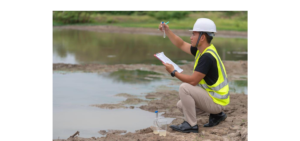
In the context of environmental due diligence for real estate or industrial projects, conducting a Phase 2 Environmental Site Assessment (ESA) is an essential procedure. This thorough investigation delves deeper than initial evaluations to determine if a site is polluted and assesses the extent of any contamination. While a Phase 1 ESA focuses on identifying potential contamination risks through historical data and site evaluations, a Phase 2 ESA entails actual laboratory analysis of soil, groundwater, surface water, and occasionally indoor air.
The Purpose of a Phase 2 ESA
A Phase 2 Environmental Site Assessment (ESA) usually commences when a Phase 1 ESA identifies Recognized Environmental Conditions (RECs). These conditions suggest the potential presence of hazardous materials as a result of previous or ongoing activities at the site, including fuel storage, industrial operations, or inadequate waste management.
The primary objective of a Phase 2 ESA is straightforward: to assess the presence of contamination and to characterize its type, scope, and concentration for any environmental risks detected on the property. This data is crucial for making informed choices regarding property acquisition, development, cleanup efforts, or adherence to regulatory standards.
Site Investigation and Sampling Strategy
Prior to gathering any samples, environmental consultants create a comprehensive sampling strategy. This plan outlines:
- Areas that are probably impacted by contamination
- Depths designated for subsurface analysis
- Materials intended for sampling (such as soil, water, or vapor)
- The analytical techniques that laboratories will employ
This approach is informed by environmental laws and the unique history of the site in question. For example, if historical records indicate a previous dry-cleaning business, the team may concentrate on detecting chlorinated solvents like PCE and TCE.
Soil Testing
A critical component of a Phase 2 Environmental Site Assessment (ESA) is soil sampling. Technicians often employ drilling rigs or hand augers to collect samples from different depths.
The collected soil samples are subsequently sent to accredited laboratories for examination to identify possible contaminants, including:
- Petroleum hydrocarbons (like gasoline and diesel)
- Volatile organic compounds (VOCs)
- Heavy metals (such as lead, arsenic, and cadmium)
- Pesticides or herbicides
- Polychlorinated biphenyls (PCBs)
The findings from these analyses can indicate the extent and depth of contamination, which assists in determining the necessary remediation measures.
Groundwater Testing
When there is a possibility that subsurface contamination could affect groundwater, monitoring wells are set up to gather water samples.
The analysis of groundwater aims to detect various pollutants that may have seeped underground, including:
-
- BTEX compounds (benzene, toluene, ethylbenzene, and xylene)
- Nitrates and other chemicals from agricultural runoff
- Heavy metals and salts
- Organic solvents and degreasers
Conducting groundwater tests is crucial, especially in regions close to residential areas or where the water may be utilized for drinking or irrigation purposes.
Surface Water and Sediment Testing
In certain circumstances, particularly when locations are adjacent to rivers, lakes, or drainage systems, Phase 2 evaluations may incorporate testing of surface water or sediment. This process aids in identifying if contaminants have migrated beyond the site or affected nearby ecosystems.
The testing typically evaluates:
- Biological oxygen demand (BOD)
- Chemical oxygen demand (COD)
- Presence of pathogens or microbial activity
- Nutrient contributions from fertilizers or waste discharge
Indoor Air and Vapor Intrusion Assessment
Although they are not universally required, the evaluation of indoor air quality and assessments for vapor intrusion are becoming more crucial, particularly at locations where there are issues related to volatile organic compounds (VOCs) or methane. Contaminants from beneath the surface can seep into structures, potentially endangering the health of those inside.
To assess air quality, samples are taken with canisters or sorbent tubes and analyzed for:
- Volatile substances
- Methane or flammable gases
- Radon or other naturally occurring risks
Interpreting the Results
After gathering data, environmental engineers and scientists analyze the results relative to environmental regulations at the local, state, and federal levels, including guidelines set by the EPA and regional water authorities. Should the contamination levels surpass what is allowed, the property owner may be required to undertake remediation efforts or implement ongoing monitoring.
A Phase 2 Environmental Site Assessment (ESA) report generally contains:
- An overview of the testing procedures and sites
- Laboratory results contrasted with regulatory thresholds
- Diagrams illustrating areas of contamination or significant pollution sources
- Suggestions for future actions, such as cleanup or additional investigation.
A Phase 2 Environmental Site Assessment plays a crucial role in protecting public health, the ecosystem, and financial investments by identifying harmful materials prior to the start of any construction or redevelopment projects. Read here for more such details on Phase 2 Environmental Site Assessment.