
In environments dedicated to elderly care, unexpected emergencies can occur at any time, ranging from medical situations such as strokes or falls to large-scale evacuations due to fires. During such urgent instances, a quick and efficient response is crucial. Therefore, comprehensive emergency training has become indispensable rather than just a choice. This training provides aged care personnel with the expertise and assurance required to respond promptly, safeguard lives, and maintain exceptional care standards amid any crisis. Uncover the wide range of services we offer here.
The Critical Need for Emergency Readiness in Aged Care
Why Standard First Aid Isn’t Enough
Although introductory first aid courses provide essential knowledge, they frequently do not equip caregivers to handle the demanding and distinct situations that arise in elderly care environments. Advanced emergency training equips caregivers with the skills necessary to manage particular age-related issues, such as administering medications during seizures, responding to strokes, or dealing with cardiac arrest in residents who have pacemakers.
Emergencies Are Inevitable, But Outcomes Can Be Controlled
Unexpected events such as fires, pandemics, and power failures can occur at any time. The key factor is your team’s response. When provided with organized training, aged care staff feel more assured and equipped to take quick, life-saving measures right away.
What Pro-Level Aged Care Emergency Training Covers
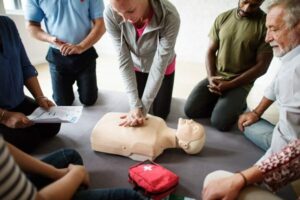
Advanced emergency training for professionals is thorough and rooted in real-life scenarios. It transcends theoretical concepts found in textbooks, focusing instead on practical, hands-on experiences that equip staff to react swiftly and accurately during critical moments.
- Advanced CPR and AED Usage: The program provides customized training in CPR and AED specifically for elderly care, incorporating practical exercises to enhance confidence during actual emergencies.
- Evacuation Procedures for Limited Mobility Residents: Crisis training equips personnel to effectively assist residents with mobility challenges during evacuations. Through hands-on exercises and straightforward protocols, it reduces hazards in emergency situations such as fires or floods.
- Responding to Medical Emergencies: Advanced training for professionals includes identifying symptoms, following emergency medication procedures, and effectively communicating with both healthcare teams and families in urgent scenarios.
- Communication and Coordination in Crisis: Successful emergency response relies on collaboration, effective communication, and synchronized efforts between internal personnel and external services such as paramedics.
Benefits That Extend Beyond Emergencies
The effects of this training extend beyond the conclusion of the emergency. Facilities experience lasting enhancements in employee morale, adherence to regulations, and the trust and wellbeing of residents as a whole.
Enhanced Staff Confidence and Retention
Caregivers equipped with comprehensive emergency training experience a boost in confidence and competence, rather than feeling stressed. This level of readiness improves their job satisfaction and promotes dedication to their roles. Consequently, there is a notable reduction in staff turnover. Over time, this contributes to a workplace culture that is composed, proficient, and dependable.
Improved Compliance With Industry Standards
Regulators in the aged care sector are increasingly prioritizing emergency preparedness. Facilities that have staff trained effectively demonstrate a strong dedication to the safety of their residents. This level of readiness not only enhances their ability to handle crises but also boosts their performance during audits. Consequently, there is a notable improvement in both accreditation results and compliance rates.
Stronger Trust With Families
Families instinctively seek out environments that prioritize the safety and protection of their loved ones during emergencies. This sense of security fosters trust, which plays a crucial role in their decision-making and overall satisfaction over time. Advanced emergency training enhances this trust and distinguishes the facility in a competitive landscape of aged care services.
How to Implement Pro-Level Emergency Training in Your Facility
Embracing this degree of readiness starts with a dedication to ongoing education and hands-on experience.
- Partner With Accredited Training Providers: Select a provider that focuses on emergency situations in aged care, provides certification, and customizes training to fit the layout of your facility and the characteristics of your residents.
- Conduct Regular Refresher Courses: As emergencies change, it’s essential for your team to adapt their responses accordingly. Plan frequent briefings to ensure everyone stays knowledgeable and up-to-date on the latest protocols and technologies.
- Include Drills and Roleplay: Repetition leads to lasting habits. Regular emergency drills enable employees to embed protocols in their minds, uncover flaws in existing strategies, and develop instinctive responses for actual emergencies.
- Engage the Whole Team: Every individual, from caregivers to kitchen personnel and janitors, contributes to emergency response efforts. It is essential that training encompasses all staff across the facility to promote a coordinated and efficient reaction.