

The fashion industry in India is evolving at an incredible pace, driven by digital innovation, rising consumer demand, and the rapid growth of independent fashion brands. As more young individuals dream of becoming designers, stylists, merchandisers, and brand owners, one question consistently arises: Should you pursue a full-time Bachelor’s in Fashion Design or opt for short-term fashion courses? Choosing the right path can significantly influence your skills, opportunities, and long-term success in this competitive field.
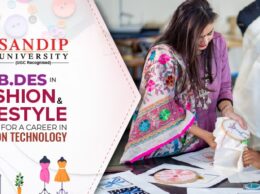
A Bachelor’s in Fashion Design is a comprehensive degree program designed to build a strong foundation in both creative and technical aspects of the fashion world. For students who envision themselves building fashion labels, managing design teams, or stepping into leadership roles, this degree offers unparalleled depth. Over three to four years, students explore core subjects such as textile science, fashion illustration, draping, garment construction, fashion marketing, and trend forecasting. The lengthy duration is not just about learning—it’s about refining the craft through hands-on practice, critiques, and industry exposure.
One of the biggest strengths of a fashion design degree is the real-world experience it provides. Students get to work on runway shows, participate in design competitions, collaborate with industry professionals, and complete internships that offer powerful networking opportunities. These structured experiences help students transition into the industry with confidence. This is why many talented students seek institutions recognized as the best fashion design college in Nashik, where such opportunities are supported through well-equipped labs, experienced faculty, and industry partnerships.
On the other hand, short-term fashion courses have gained immense popularity for their flexibility, affordability, and targeted learning. These programs typically last from a few weeks to a few months and focus on specific skills such as fashion styling, graphic design for fashion, pattern making, digital illustration, or personal branding. Such courses are ideal for hobby learners, individuals seeking quick upskilling, or professionals already working in creative fields who want to expand their expertise without committing to a long-term program.
Short-term courses serve as excellent stepping stones but often lack the comprehensive training needed for students aiming to build a long-term, high-impact career. They are limited in scope, offer fewer opportunities for portfolio development, and rarely include startup incubation or industry mentorship—elements essential for students who want to launch their own fashion brands.
When comparing the two paths, the biggest difference lies in career readiness. A Bachelor’s program prepares students for a wide spectrum of roles, including fashion designer, visual merchandiser, fashion entrepreneur, costume designer, textile analyst, and more. It also equips them with leadership, research, and analytical skills necessary to sustain a career in the global fashion ecosystem. In contrast, short-term courses may help individuals explore niche roles such as freelance styling, boutique customization, or digital artistry. While these roles are valuable, they may not provide the long-term career growth that degree programs offer.
Aspiring fashion entrepreneurs must consider the business side of fashion as well. Understanding consumer behavior, branding, merchandising, supply chains, and digital marketing is crucial for launching and managing a successful fashion startup. A full-time program provides this holistic combination, while short-term courses usually limit themselves to skill-based modules. Many students choose structured programs like Sandip University Fashion Design Courses for this very reason, as they incorporate both creative and entrepreneurial learning.
Choosing the right institution plays a key role in shaping your career. Studying at one of the Top Fashion Design colleges in Nashik ensures access to expert mentors, advanced design studios, industry-grade machinery, and placement opportunities. This environment strengthens a student’s professional journey, making them industry-ready from day one. Institutions like Sandip University further enrich the learning experience with global exposure, guest lectures, and innovation-driven teaching.
Conclusion
While short-term fashion courses offer quick learning and convenience, a Bachelor’s in Fashion Design remains the superior choice for long-term career growth, industry recognition, and entrepreneurial success. Students seeking to build sustainable careers, start their own labels, or become leaders in the fashion space benefit immensely from the depth, structure, and professional network a full-time degree provides. Ultimately, the path you choose should align with your ambition, learning style, and long-term goals—but for those aiming to make a lasting mark in fashion, the degree program stands out as the more powerful and future-ready option.