
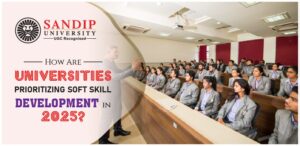
In today’s competitive job market, academic degrees alone are no longer enough. Employers now expect graduates to be job-ready, adaptable, and capable of contributing from day one. This shift has inspired institutions across India to redesign their teaching approach and focus on real-world learning. One of the pioneers of this movement is the model of skill-based education at Sandip University, which emphasizes industry relevance, hands-on training, and practical knowledge.
Skill-based learning isn’t just a trend—it’s the backbone of modern education. As industries evolve rapidly with digital transformation, data-driven decision-making, and advanced automation, students need practical exposure to stay relevant. This is where employability-focused courses in India are gaining massive popularity, equipping learners with professional capabilities that align with employer expectations.
Why Skill-Based Education Matters More Today
The demands of the workforce have changed dramatically over the last decade. Businesses now prefer candidates who possess:
- Technical proficiency
- Hands-on problem-solving skills
- Communication and leadership abilities
- A willingness to learn and adapt
- Exposure to industry tools and methodologies
This is why students today actively look for practical learning programs at Sandip University and similar institutions that provide industry-approved experience throughout the program.
How Skill-Based Learning Enhances Employability
- Real-World Application of Knowledge
Skill-based education integrates theoretical concepts with live projects, simulations, and lab-based training. Instead of memorizing theories, students actively apply them in real situations. This creates deeper understanding, confidence, and workplace readiness.
- Industry-Ready Curriculum
An industry-ready curriculum for students includes updated modules, case studies, and modern tools aligned with current market trends. Students learn using the same technologies and methods that companies use, making them more valuable during placements.
- Project-Based & Experiential Learning
Students are encouraged to solve real problems, work in teams, and build innovative ideas. Experiential learning strengthens analytical thinking, creativity, and decision-making—skills that employers value immensely.
- Professional Certifications
Many programs include certifications in digital marketing, analytics, programming, design tools, finance platforms, and more. These credentials give students a competitive advantage during interviews.
- Internships & Corporate Exposure
Skill-based learning integrates internships into the curriculum, where students interact with professionals, observe real job roles, and understand workplace expectations.
Career Development Initiatives that Boost Employability
A strong career foundation requires continuous skill-building. This is why career development training at Sandip University and similar institutions plays a vital role in shaping industry-ready graduates. Students participate in:
- Resume development workshops
- Interview preparation sessions
- Communication & soft skills sessions
- Corporate mentoring
- Aptitude training
These programs help students enhance confidence, refine personality, and improve professional behavior.
Preparing for Future-Ready Careers
The job market of 2025 and beyond will demand:
- Digital literacy
- Data analytics exposure
- Problem-solving ability
- Leadership & collaboration
- Adaptability to new technologies
Skill-based education prepares students to thrive in this environment by helping them acquire both core and advanced industry skills.
Conclusion
Skill-based education is the foundation of modern employability. Students who undergo practical, industry-focused training are more confident, competent, and prepared for real-world challenges. Choosing the right academic institution—one that emphasizes experiential learning, industry exposure, and career-building support—can significantly transform a student’s future. This approach ensures graduates are not just degree holders but skilled professionals ready to excel from their very first job.